Imagine taking a step and feeling a sudden, sharp pain, as if you’re walking on a tiny pebble stuck in your shoe. You check, but there’s nothing there. This recurring discomfort might be the work of a common yet often misunderstood skin condition: the plantar wart.
What Exactly is a Plantar Wart?
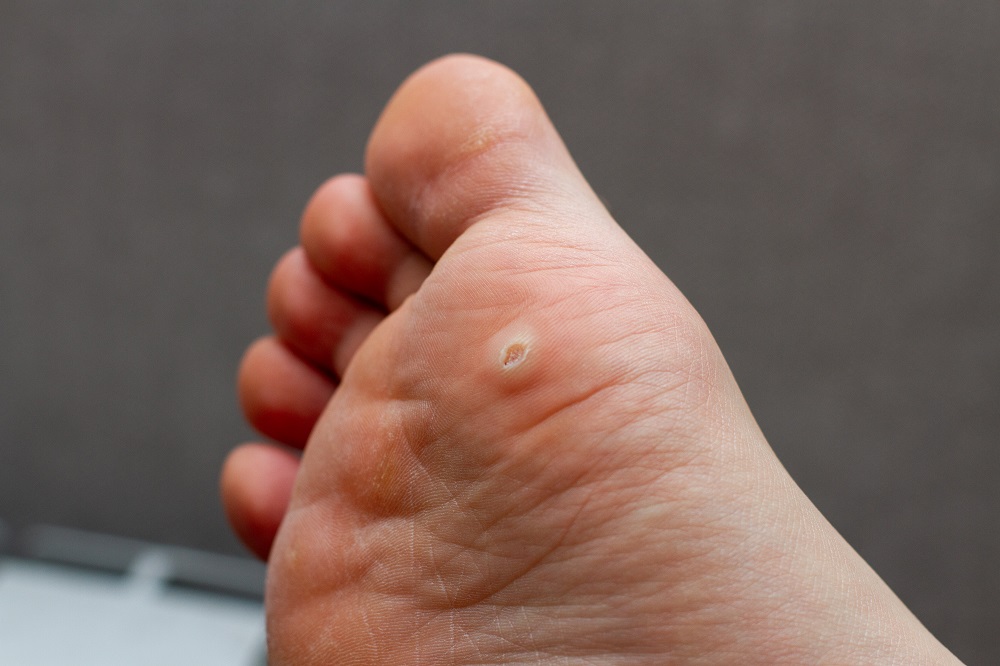
A plantar wart is a small, grainy growth that appears on the soles of your feet. The term “plantar” specifically refers to the bottom of the foot. Unlike warts on other parts of the body, plantar warts grow inward rather than outward, pushed flat by the pressure of standing and walking. At their core, they are caused by an infection: the human papillomavirus (HPV). This virus enters the body through tiny cuts, breaks, or weak spots on the skin of the foot. It’s important to note that while HPV is a family of viruses, the strains causing common plantar warts are generally low-risk and differ from those associated with more serious health issues.
Symptoms and Causes: Recognizing the Intruder
Identifying a plantar wart involves looking for specific signs:
- Appearance: A small, fleshy, rough, or grainy lesion. It often has a well-defined boundary.
- The “Stone” Feeling: The classic symptom is pain or tenderness when walking or applying pressure.
- Surface Details: The surface may be dotted with tiny black pinpoints, which are clotted blood vessels (not “seeds”).
- Location: Commonly found on weight-bearing areas—the heel, ball of the foot, or under the toes.
The primary cause is direct contact with the HPV virus. This makes warm, moist environments its favorite breeding ground for transmission. Walking barefoot in public showers, around swimming pools, or in locker rooms significantly increases your risk. Additionally, sharing towels, shoes, or socks with someone who has a wart can spread the virus. The virus thrives in compromised skin, so having cracks or cuts on your soles makes you more vulnerable.
The Hidden Harms: More Than Just a Nuisance
While often harmless from a systemic health perspective, plantar werts can cause significant problems:
1. Pain and Discomfort: Constant pressure turns them into a persistent source of pain, affecting your gait and ability to stand for long periods.
2. Altered Walking Pattern: To avoid pain, you might unconsciously change how you walk. This can lead to joint pain in the knees, hips, or back due to poor posture and biomechanics.
3. Spreading: The wart can grow larger or multiply into clusters (mosaic warts). You can also spread the virus to other parts of your own body through touch.
4. Social and Psychological Impact: For some, especially children and athletes, warts can cause embarrassment or anxiety about activities involving bare feet.
Treatment Options: From Pharmacy to Clinic
Fortunately, several treatments are available, ranging from over-the-counter to clinical procedures:
- Salicylic Acid: The most common first-line treatment. Available as patches, gels, or liquids, it peels away the infected skin layer by layer over several weeks. Consistency is key.
- Cryotherapy (Freezing): A doctor applies liquid nitrogen to freeze and destroy the wart tissue. This often requires multiple sessions but can be very effective.
- Minor Surgery: This includes procedures like curettage (scraping off the wart) or laser surgery, which uses a focused beam of light to destroy the blood vessels feeding the wart. These are options for persistent, large, or stubborn warts.
- Other Medical Treatments: Dermatologists may use stronger chemical treatments (like cantharidin), immunotherapy to boost your body’s defense, or blistering agents.

Crucially, never attempt to “cut out” a wart at home, as this can lead to severe infection, scarring, and further spread.
Prevention: Your Best Defense
An ounce of prevention is truly worth a pound of cure when it comes to plantar warts:
- Wear Foot Protection: Always wear flip-flops or shower shoes in communal wet areas (gyms, pools, public showers).
- Keep Feet Clean and Dry: Wash your feet daily and dry them thoroughly, especially between the toes.
- Avoid Direct Contact: Do not pick at or scratch warts (your own or others’). Don’t share personal foot care items.
- Footwear Hygiene: Change your shoes and socks daily. Allow shoes to air out completely between uses.
- Care for Your Skin: Promptly treat any cuts or scratches on your feet and keep your skin healthy and intact.
In conclusion, while plantar warts are a common and stubborn skin infection, they are manageable and treatable. By understanding what they are, recognizing their symptoms, and adopting simple preventive habits, you can keep your steps pain-free and confident. If you suspect a plantar wart, especially if it’s painful, bleeding, or changing, consulting a healthcare professional is the best step forward.
Read also: Semi-Permanent Polish for Your Toes: A Guide to Long-Lasting Pedicure Perfection